
The 18th & Vine Historic District is more than a neighborhood; it is hallowed ground in the history of American music and culture. In the 1920s and 30s, this intersection was the heart of a “city within a city,” a self-sustaining ecosystem where Black commerce, culture, and nightlife thrived despite segregation. It was here that the unique, driving rhythm of “Kansas City Jazz” was born—a sound nurtured in jam sessions that lasted until sunrise, fueling the careers of legends like Charlie “Bird” Parker, Count Basie, and Big Joe Turner. Today, it remains the only historic district in the world devoted to the preservation of jazz and the Negro Leagues baseball era.
KC 18th & Vine District Things to Do
18th and Vine holds a unique position in Kansas City’s cultural landscape—not as the city’s largest entertainment district or its most commercially developed, but as the neighborhood where Kansas City jazz was born and where African American heritage remains the organizing principle for everything that happens. The district occupies a compact footprint at the intersection of 18th Street and Vine Street, where historic venues, museums, and cultural institutions cluster within a few walkable blocks. Unlike districts defined primarily by commerce, 18th and Vine is defined by history—the story of segregation-era Kansas City, the musicians who created a distinctly swinging sound in its clubs, and the ongoing effort to preserve that legacy while building a living neighborhood.

-
Kansas City Jazz District
The Kansas City Jazz District centers on 18th and Vine, where African American musicians developed the city’s signature jazz sound during the 1920s and 1930s under the permissive political machine of Tom Pendergast. The district’s clubs stayed open past legal hours, attracting musicians who couldn’t perform in segregated downtown venues and creating a hothouse environment where Count Basie, Charlie Parker, and dozens of others refined their craft.
The American Jazz Museum anchors the district today, offering interactive exhibits on Kansas City’s jazz history alongside rotating displays on broader African American musical contributions. The adjacent Negro Leagues Baseball Museum shares the building, documenting the history of Black professional baseball with particular emphasis on the Kansas City Monarchs.
Visitors arriving from Downtown KC reach 18th and Vine in under 10 minutes via Troost or Prospect, though the neighborhoods feel entirely different. Downtown delivers corporate towers and convention infrastructure; 18th and Vine delivers cultural institutions and historic preservation in a neighborhood still rebuilding from decades of disinvestment.
The live jazz scene here operates differently than the venues scattered across Midtown and other districts. At 18th and Vine, jazz isn’t background music or cocktail-hour ambiance—it’s the point. The Blue Room, located inside the American Jazz Museum, hosts live performances multiple nights weekly in a setting designed specifically for listening.
-
18th And Vine Restaurants Kansas City
The restaurant scene at 18th and Vine emphasizes soul food, barbecue, and African American culinary traditions—cuisines that reflect the neighborhood’s history and serve both museum visitors and surrounding residents. The options are more limited than in larger commercial districts, but what exists carries cultural weight.
Gates Bar-B-Q operates a location near the district, continuing a Kansas City barbecue tradition that began in the 1940s. The counter-service format and shouted greetings (“Hi, may I help you!”) remain unchanged, offering visitors a taste of old Kansas City alongside the museum experience.
The dining density here doesn’t approach what’s available in The River Market or other established restaurant neighborhoods—18th and Vine rewards visitors who come for cultural experience first and treat dining as a complement. Those seeking extensive culinary options typically combine an 18th and Vine visit with meals in adjacent districts.
Visitors from Brookside and other southland neighborhoods often drive north to 18th and Vine for museum visits, then return south for dinner rather than extending their stay. The district’s restaurant infrastructure is improving but remains a work in progress.
-
18th And Vine Apartments
Residential development at 18th and Vine has accelerated in recent years, with new apartment construction bringing residents back to a district that lost population during mid-century suburban migration. The housing mix includes market-rate apartments, affordable units, and historic rehabs converting older buildings into modern living spaces.
The neighborhood’s residential appeal differs from the urban-loft options in the Crossroads Art District or the warehouse conversions of the West Bottoms. 18th and Vine offers cultural immersion—living within walking distance of jazz clubs, museums, and events that celebrate African American heritage year-round.
Renters comparing 18th and Vine to nearby KC Northeast will find similar affordability but different neighborhood character. Northeast offers immigrant-community diversity and ethnic food corridors; 18th and Vine offers jazz-district identity and museum-anchored programming.
Young professionals drawn to 18th and Vine often cite the neighborhood’s cultural calendar as a deciding factor—the jazz festival, Juneteenth celebrations, and ongoing museum programming create a residential experience unavailable in more generic urban apartments.
-
18th And Vine Events
18th and Vine hosts a concentrated calendar of cultural events that draw visitors from across the metro and beyond. The district’s compact footprint becomes an advantage during festivals, when stages, vendors, and crowds fill the streets around the museum complex.
The event calendar here differs fundamentally from entertainment districts like P&L District or Westport District, where programming revolves around sports schedules and nightlife. 18th and Vine events emphasize cultural celebration—jazz performances, heritage festivals, and community gatherings rooted in African American history.
Weekend programming often extends beyond the headline festivals, with the Blue Room hosting regular jazz performances and the museum complex offering rotating exhibitions and educational events. Visitors from surrounding KC suburbs who make the drive to 18th and Vine often discover more happening than they anticipated.
The district’s event infrastructure has expanded significantly, with improved outdoor staging areas and street closures that accommodate larger crowds than the neighborhood could handle a decade ago.
-
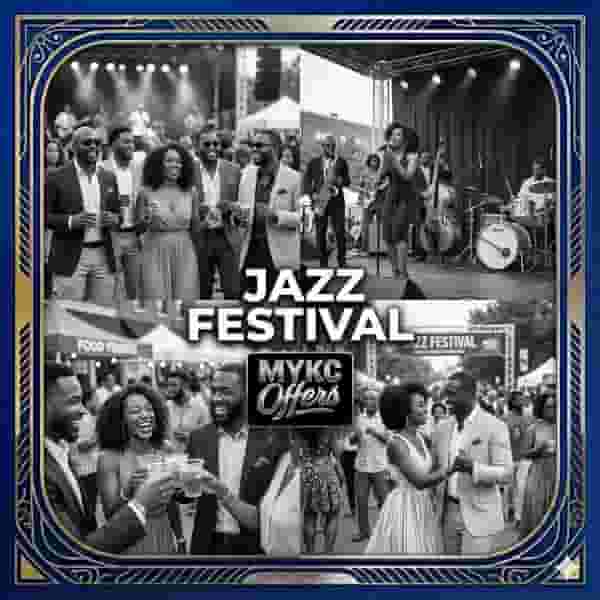
18th And Vine Jazz Festival
The 18th and Vine Jazz Festival serves as the district’s flagship annual event, drawing performers and audiences who treat the weekend as a pilgrimage to Kansas City jazz’s birthplace. The festival typically runs in late summer, with outdoor stages filling the streets around the museum complex.
The festival’s significance extends beyond entertainment—it functions as an annual homecoming for Kansas City’s jazz community and a reminder of the district’s national importance. Musicians who learned their craft in Kansas City return to perform, and jazz enthusiasts travel from across the country to experience the neighborhood where the sound originated.
Visitors planning festival attendance from The Country Club Plaza or southern districts should allow extra travel time; parking fills quickly and rideshare demand spikes during peak festival hours. Many attendees combine festival visits with exploration of nearby districts, extending their Kansas City stay.
The festival atmosphere provides a concentrated introduction to Kansas City jazz for visitors more familiar with the city’s other attractions—barbecue, sports, and the entertainment districts that dominate tourism marketing.
-
Juneteenth 18th And Vine
Juneteenth celebrations at 18th and Vine represent one of the metro’s largest and longest-running commemorations of the holiday, drawing crowds for music, food, and community gathering. The festival typically spans multiple days around June 19th, with programming that combines celebration with education about African American history.
The event’s location at 18th and Vine carries particular significance—the same streets where Kansas City’s Black community built cultural institutions during segregation now host annual celebrations of freedom and resilience. The continuity connects contemporary celebrations to the neighborhood’s historic role.
Visitors from 39th Street and other Midtown corridors often treat Juneteenth at 18th and Vine as an annual tradition, making the short drive east to participate in programming unavailable in their home neighborhoods.
The Juneteenth crowds reflect Kansas City’s demographic diversity, with families from Southwest Boulevard, The Riverfront, Crown Center adjacent areas, and neighborhoods across the metro converging on 18th and Vine for a shared celebration.
Attendees arriving from Waldo or other southern neighborhoods should note that the drive to 18th and Vine during Juneteenth requires patience—traffic congestion around the district increases significantly during peak festival hours.
18th and Vine asks visitors to engage with Kansas City’s history in ways that other entertainment districts don’t require. The jazz clubs, the museums, the annual festivals—all exist because of what happened on these blocks during segregation, when African American musicians created art that changed American culture while being denied access to the city’s white institutions. That history is the district’s foundation, and understanding it enriches every performance heard at the Blue Room, every exhibit toured at the American Jazz Museum, every plate of barbecue eaten within sight of the old union hall. For visitors, 18th and Vine offers a cultural experience unavailable anywhere else in Kansas City. For the city itself, the district stands as both memorial and promise—honoring what was built under oppression while continuing to build something that belongs to everyone.
The district offers a “cultural trifecta” of museums that are nationally significant.
- American Jazz Museum: Far from a silent hall of artifacts, this museum is an interactive experience. Exhibits include Charlie Parker’s saxophone and listening stations that break down the complex rhythms of KC Jazz. It shares a lobby with the Blue Room, blurring the line between history and live performance.
- Negro Leagues Baseball Museum (NLBM): Founded by the late Buck O’Neil, this museum is the world’s only institution dedicated to preserving the history of African American baseball. Walking onto the “Field of Legends”—a mock baseball diamond featuring life-sized bronze statues of players like Satchel Paige and Josh Gibson—is a spiritual experience for sports fans.
- Mutual Musicians Foundation: The oldest union of African American musicians in the country (Local 627). This National Historic Landmark is the holy grail of jam sessions. It is famous for its “after-hours” tradition where musicians play late into the night (and morning) on weekends, a practice that has survived since the Prohibition era.
- Zhou B Art Center: Opened recently in the restored Crispus Attucks School, this premier art center features 45 artist studios and galleries, bridging the gap between the district’s musical heritage and the visual arts.
- Black Archives of Mid-America: Located in the former Paseo YMCA (where the Negro National League was founded in 1920), this archive houses rare documents and oral histories of Black life in the Midwest.
What makes 18th and Vine a “must-see” neighborhood?
18th and Vine is globally recognized as one of the birthplaces of modern jazz — the district served as a creative crucible in the 1920s–1940s, launching legends like Charlie Parker and Count Basie.
Visitors can explore iconic institutions such as the American Jazz Museum and the Negro Leagues Baseball Museum — both of which chronicle deep legacies of music, sport, and African American history.
If you appreciate history, rhythm, and places that shaped American culture — this district offers a one-of-a-kind backdrop and qualifies as a top romantic activities for couples or cultural-history stop in KC.
Dining here is legendary, centered on barbecue and soul food.
- Arthur Bryant’s Barbeque: The most famous barbecue joint in the world. Since 1908, it has served Presidents and celebrities. It is known for its “grease house” atmosphere, piles of brisket on white bread, and distinct gritty, vinegary sauce.
- Vine Street Brewing Co.: Missouri’s first Black-owned brewery. Located in a 150-year-old stone building, it serves beers inspired by the district’s heritage, such as “Jazzman” black lager, often accompanied by live piano.
- Soiree Steak & Oyster House: Offering an upscale twist on Southern cuisine, this spot is known for its New Orleans-style chargrilled oysters, catfish, and live music brunch.
- Smaxx: A go-to for comfort food, serving massive portions of wings, catfish, and their signature “mac-n-cheese” burger.
- The Blue Room: While a club, it also offers a light menu. It is one of the few places you can eat dinner while watching world-class jazz in a museum setting.
Where are neighborhoods’ best spots to eat in 18th and Vine?
18th and Vine has a deep connection to Kansas City’s rich BBQ and soul-food heritage, with restaurants and local eateries that reflect the neighborhood’s cultural roots alongside modern tastes.
Many visitors combine a museum visit with a meal — enjoying smoked meats or comfort food before or after live jazz or historical tours. That mix of culture and cuisine makes the district a great candidate for an anniversary package or casual meal-plus-music outing, blending appetite with ambiance.
From intimate clubs to historic theaters, the venues here are steeped in legacy.
- The Gem Theater: A restored 1912 movie palace that now serves as a state-of-the-art performing arts center. It hosts major concerts, the “Jammin’ at the Gem” series, and community plays.
- The Blue Room: Modeled after the sleek nightclubs of the 1930s, this venue (part of the Jazz Museum) is known for its “no cover” Indigo Hour on Friday evenings and its strict attention to listening room etiquette.
- Boone Theater (Restoration in Progress): This historic venue is currently being revitalized to serve as the future home of the Black Repertory Theatre of Kansas City and a digital media lab, with completion targeted for late 2025/early 2026.
- Mutual Musicians Foundation: The ultimate “late night” venue. It is raw, authentic, and historically significant—the room where the “Kansas City Sound” was effectively invented.
Are there live-music venues or nightlife spots in 18th and Vine worth checking out for an evening out?
Yes — the district remains vibrant well after dark. The American Jazz Museum includes the live-music club The Blue Room, which features jazz performances several nights a week.
There’s also the Mutual Musicians Foundation — a storied venue where jam sessions and live music keep the district’s jazz legacy alive.
If you’re planning a special night out — perhaps a celebration or a meaningful evening — 18th and Vine offers a soulful, historic vibe that works beautifully for party gatherings or a classic night immersed in music and history.
The district’s calendar is anchored by music and cultural celebration.
- 18th & Vine Jazz and Blues Festival: A massive annual festival (typically October) that closes down the streets for multiple stages of national and local acts.
- Juneteenth Celebration: One of the largest in the region, featuring a parade, vendors, and concerts that take over the entire district.
- Indigo Hour: A weekly Friday evening ritual at The Blue Room (5:00 PM) featuring local musicians, drink specials, and a packed house of locals.
- Heart of America Hot Dog Festival: Hosted by the NLBM, this quirky summer festival celebrates the connection between baseball and hot dogs with eating contests and live music.
What kind of special happenings should I watch for in 18th and Vine?
A: 18th and Vine hosts regular jazz shows, late-night jam sessions, and community events that celebrate its musical and cultural past. The Jazz Museum and associated venues frequently feature concerts, exhibitions, and heritage events.
Because of this ongoing cultural programming, the district’s calendar is often packed — making it a go-to option when you want a meaningful night out that combines history, music, and community energy. It’s an ideal place for spontaneous or planned party gatherings especially if you value live music and local culture.
- Location: The district is centered at the intersection of 18th Street and Vine Street, just east of The Paseo.
- Context: It is located just east of the Crossroads Arts District (separated by US-71 Hwy) and southeast of Downtown.
- Walkability: The core district (18th St from Paseo to Woodland) is highly walkable, though recent construction on the “Pedestrian Mall” project may cause temporary sidewalk detours.
Where is 18th and Vine located within Kansas City?
18th and Vine lies east of downtown Kansas City, historically bounded roughly by 18th Street, Woodland Avenue, 19th Street, and The Paseo.
The compact footprint of the historic district — with museums, venues, restaurants and nightlife all within walking distance — makes it easy to navigate on foot. That walkability is part of what helps 18th and Vine keep its unique, intimate character even amid urban surroundings.
18th And Vine FAQ
What is 18th and Vine?
18th and Vine is the historic center of African American life in Kansas City. Internationally recognized as one of the cradles of jazz music, it was a bustling commercial and entertainment district during the segregation era. Today, it is a cultural destination anchored by two major museums and a revitalized entertainment scene.
What characterizes 18th and Vine today?
Historically, 18th and Vine served as the hub of African American business, entertainment, and culture in Kansas City — especially during the height of the jazz and Negro Leagues eras.
Today, the neighborhood continues to honor that legacy through museums, preserved venues, music clubs, and community-oriented spaces — offering a mix of reverence, nightlife, and cultural tourism, which appeals to locals and visitors who appreciate authenticity, history, and art.
What is near 18th and Vine?
Popular places near 18th and Vine, include:
- Downtown: A 5-minute drive northwest.
- Crossroads Arts District: Located just west across the highway.
- Hospital Hill: The UMKC Medical School and Children’s Mercy Hospital are immediately to the south.
What kind of experiences does 18th and Vine offer?
Popular experiences enjoyed in 18th and Vine, include:
- Culinary: Eating world-famous burnt ends at Arthur Bryant’s.
- Educational: Immersive history at the Negro Leagues Baseball and Jazz Museums.
- Musical: Late-night jam sessions at the Mutual Musicians Foundation (weekends).
Where to stay in 18th and Vine?
Popular places to stay near 18th and Vine, include:
- Recommendation: Visitors typically stay in the Crossroads Arts District (e.g., Crossroads Hotel, Hotel Indigo) or Downtown, which are a short Uber or streetcar-plus-walk away.
- Current Status: As of late 2025, there are no hotels open directly inside the historic district.
- Upcoming: A Marriott Tribute Portfolio hotel has been announced for the district (adjacent to the NLBM) but is under development and not yet open for guests.
What kind of accommodations are available in 18th and Vine?
Currently, there are no commercial accommodations. The district has recently added residential living (One Nine Vine apartments), but for tourism, you will need to stay in nearby districts and commute in.
What kind of transportation options are available near 18th and Vine?
Popular transportation options near 18th and Vine, include:
- Parking: Street parking is available, and there are surface lots near the museums. A new parking garage is part of the ongoing revitalization projects.
- KC Streetcar: Important Note: The new Streetcar expansion (Main St) does not go to 18th & Vine. The nearest stop is 19th & Main (Crossroads), which is about a 1-mile walk east. An extension to 18th & Vine is currently being studied but is not constructed.
- Ride Share: Uber/Lyft is the most common way for tourists to reach the district from downtown.
- Bus: The 18 Indiana and 25 Troost bus lines serve the area.
What is the history of 18th and Vine?
The district emerged in the late 1800s and boomed in the 1920s due to segregation laws that restricted Black residents to living east of Troost Avenue. It became a self-sufficient community with its own doctors, lawyers, businesses, and theaters. Under the Pendergast political machine, nightclubs flourished during Prohibition, allowing jazz to evolve into a distinct “Kansas City style” characterized by a driving 4/4 beat and extended solos. The area declined after desegregation in the 1960s but was revitalized in the 1990s with the construction of the museums.
Why is 18th and Vine historically important ?
The district is internationally recognized as a birthplace of Kansas City jazz and one of the defining centers of African-American culture and enterprise during the 20th century.
With 35 buildings listed on the National Register of Historic Places, 18th and Vine preserves architecture, venues, and stories from a time when jazz, business, and community resilience shaped the city’s identity.
Where to shop in 18th and Vine?
Shopping is specialized and growing.
- Museum Stores: The Swing Shop (Jazz Museum) and the NLBM Extra Innings Store are excellent for gifts, apparel, and books.
- Vine Street Studio: A local art space and boutique.
- Zhou B Art Center: Art collectors can view and purchase works from resident artists.
- Pop-Ups: The district frequently hosts vendor markets during events like First Fridays or festivals.
18th and Vine asks visitors to engage with Kansas City’s history in ways that other entertainment districts don’t require. The jazz clubs, the museums, the annual festivals—all exist because of what happened on these blocks during segregation, when African American musicians created art that changed American culture while being denied access to the city’s white institutions. That history is the district’s foundation, and understanding it enriches every performance heard at the Blue Room, every exhibit toured at the American Jazz Museum, every plate of barbecue eaten within sight of the old union hall. For visitors, 18th and Vine offers a cultural experience unavailable anywhere else in Kansas City. For the city itself, the district stands as both memorial and promise—honoring what was built under oppression while continuing to build something that belongs to everyone.